
Revitalizing Akron’s Little Cuyahoga: A New Chapter in River Restoration
The restoration project unfolding along Akron’s Little Cuyahoga River is emerging as a beacon of hope for local environmental rehabilitation and community engagement. With more than $2.6 million in federal funding from the Great Lakes Restoration Initiative, Akron City Council is taking bold yet measured steps toward reviving a critical natural resource. In this opinion editorial, I’ll share my perspective on the planned dam removals and riverbank restorations, exploring the tricky parts, tangled issues, and even some of the more intimidating twists and turns the project faces, while celebrating its potential for positive change.
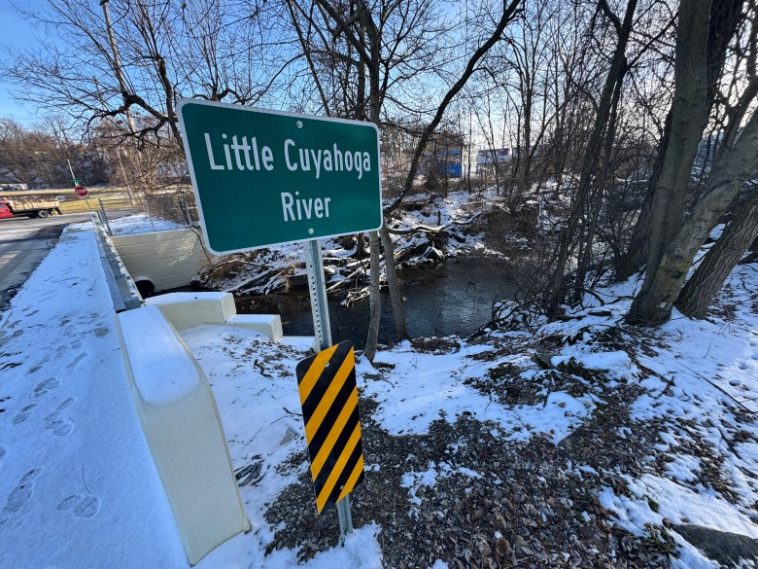
The project will address scattered problems along a one-mile stretch in the Middlebury neighborhood and beyond, promising to renew not only the river’s flow but also the local community’s connection to nature. As I take a closer look at these efforts, I’m reminded of the close relationship between robust civic leadership and the natural environment. This project is an excellent example of local government harnessing expertise and federal assistance to re-engineer nature’s course for the betterment of everyone.
Embracing Federal Funding: The Role of the Great Lakes Restoration Initiative
Securing more than $2.6 million in federal backing is a significant milestone for Akron. The Great Lakes Restoration Initiative, established in partnership with Canada, aims to clean up pollution, combat invasive species, and restore native habitats across the watershed. This initiative not only brings in the necessary funds, but it also provides a framework for communities to rally around natural resources that are essential to their identity.
Here are a few bullet points summarizing the benefits of the federal funding:
- Assists in cleaning up harmful pollution and restoring the ecosystem
- Helps combat invasive species that threaten native habitats
- Provides the financial muscle to solve some of the tricky and tangled issues inherent in environmental restoration projects
- Builds local capacity through the infusion of grant money and necessary resources
The infusion of federal funds is more than a financial boost—it symbolizes a key turning point where local and national interests intersect for the protection of the planet’s precious water resources. This integration of local knowledge and federal initiatives offers a promising route to overcome any intimidating challenges that come with cleaning up decades of industrial decay.
Understanding the Engineering Challenges: Dam Removal and Riverbank Restoration
At the heart of Akron’s restoration initiative is the planned removal of two low-head dams and the repair of two degraded riverbank sections. These dam removals are not just about dismantling old structures—they represent a renewed opportunity for the river to reclaim its natural course, thereby enabling fish and other aquatic organisms to repopulate the once-degraded habitat.
Digging into the details:
- One dam, the remnants of an old industrial structure near the Kent Street bridge, will be completely removed and the riverbank reinvigorated with a fresh, natural layout.
- Another dam system, located near the former Goodyear headquarters complex (now reimagined as The East End by IRG), will undergo modification rather than complete removal, ensuring that water flow improves while addressing historical infrastructure constraints.
As Heather Ullinger, a senior engineer for the City of Akron, explained during the council meeting, modifications will be engineered to facilitate fish passage—a critical step for environmental restoration that will witness a marked return of aquatic life. Even though the changes might seem complicated, they provide a clear message: nature, when nurtured properly, has a tremendous capacity to bounce back.
Local Government and Community Transparency: A Collaborative Effort
Local government transparency stands as a cornerstone of trustworthy administration, and Akron’s City Council is keen on involving the community in these changes. In a recent committee meeting, experts like Chris Ludle shared insights about the funding negotiations spanning two to three years, revealing the behind-the-scenes dedication required to secure these grants.
Transparency in public decision-making is not merely about the disclosure of information; it’s about creating a community dialogue and ensuring that every decision can be scrutinized and understood. With initiatives such as these, local councils are actively empowering citizens to get involved in the process, ensuring each step meets community expectations and maintains accountability.
A few key points on transparency include:
- Open governmental meetings and clear public records for actions taken
- Inclusive discussions that bring up the small distinctions and nuances of each decision
- A dedicated effort to keep residents informed through reliable newsletters and live updates
- The empowerment of community members to become documenters and active reporters on civic matters
This collaborative approach, where citizens and local officials work hand in hand, is an inspiring model for other cities facing similar environmental restoration challenges.
Environmental and Economic Impacts: Balancing Ecology and Community Living
Critics of large-scale restoration projects often raise concerns about disrupted local ecosystems or the potential for economic drawbacks. However, the project in Akron is poised as an investment in long-term environmental and community wellbeing. The river improvements will not only lead to a cleaner waterway but are also set to rejuvenate local recreational spaces, encouraging community interaction and outdoor activities.
Many residents view projects like these as essential steps to bring natural beauty back into urban life. The restored riverbanks will serve multiple functions—they will provide natural buffers against erosion, flood mitigation, and promote outdoor enjoyment for families and individuals alike. Additionally, improved water quality and the return of native fish populations may encourage local tourism and foster an economic ripple effect.
Some extended advantages include:
- Enhanced attractiveness of public spaces which can lead to increased property values
- Opportunities for local businesses to benefit from a rise in recreational activities
- Creation of more community events and outdoor gatherings centered around the revitalized river
- Strengthening the local identity as a community committed to sustainable urban development
By managing these improvements, Akron is not just cleaning up its river; it is actively investing in the community’s future, where nature and urban life can coexist and thrive together.
Learning From Previous Environmental Projects: Shared Experiences and Future Success
Lessons learned from earlier river restoration projects provide a roadmap for success in Akron. Several communities have experienced both successes and setbacks when trying to reintroduce nature’s flow into urban environments. These case studies suggest that while the process is laden with tricky regulatory bits and nerve-racking engineering challenges, the rewards far outweigh the obstacles.
Points that emerge from this shared experience include:
- The importance of securing reliable federal and local funding
- Strategies to manage complicated pieces of infrastructure safely
- Collaborative planning between public leaders, engineers, and the community to oversee a seamless process
- The need for adaptive planning to tweak the approach as unexpected issues emerge
In communities where dam removal and riverbank restoration have been successfully executed, residents have sung praises for the renewed vibrancy of their local waterways. These transformed rivers now provide safe havens for aquatic life, inviting people for fishing, kayaking, and leisurely strolls along revitalized paths. Akron’s efforts can mimic these successes if local government remains committed and the community continues to participate actively.
Community Involvement and Citizen Reporting: Power of Local Documenters
Another critical but often underappreciated aspect of this project is the role of local documenters. In Akron, initiatives like Signal Akron’s Documenters program empower residents to act as watchdogs on civic decisions. By training citizens to document government meetings and provide real-time reporting, this approach keeps the process transparent and accountable. No one is left in the dark when community members are continuously updating their neighbors on every twist and turn of policy discussions.
Key benefits of citizen reporting include:
- Providing a constant stream of locally tailored news
- Ensuring accountability by making public records easily accessible
- Encouraging greater public oversight, which can lead to improved decision-making
- Building trust between local officials and the citizenry
This grassroots approach is a model that other communities might consider when working on environmental or urban improvement projects. The commitment to transparency and dedicated citizen involvement ensures that even when the details of a project are confusing bits or intimidating technical matters, the community remains well-informed.
Connecting the Dots: How Restoration Works in Tandem With Community Growth
The restoration of the Little Cuyahoga River is not an isolated event but part of a larger tapestry of community growth in Akron. It links the environmental revitalization with a broader mission of urban renewal and civic engagement. As the city works to restore the physical integrity of the river, it also restores a sense of pride among residents—reminding them that they have a direct stake in shaping the future of their neighborhood.
Here are some thoughts on why this kind of project can be a catalyst for community growth:
- It acts as a symbol of collective action—showing that when people come together, they can influence big changes.
- It provides a tangible example of how local government can effectively use resources, balancing economic, environmental, and social interests.
- The project brings to light some small distinctions in policy and planning that are critical for urban renewal.
- It sparks discussions and inspires other localities to think creatively about sustainable development.
From a personal perspective, I believe that every improvement in our urban environment contributes to the overall health of our communities. When nature and city planning go hand in hand, it creates a smoother path for the evolution of public spaces that are both functional and inspiring.
Engineering the River’s Future: A Closer Look at Recent Council Decisions
During the recent Akron City Council meetings, elected representatives outlined the detailed blueprint for the river’s future. One of the standout discussions involved mapping out four specific sites along the Little Cuyahoga River where improvements would be implemented. Two of these involve dam removal, and the remaining two focus on riverbank restoration.
Let’s break down the plan:
- Site 1: Near the Kent Street bridge, where an outdated industrial dam will be entirely removed to allow the river to follow a more natural path.
- Site 2: Also focused on dam removal, but with an innovative twist—engineers plan to modify an old dual-dam system near the old Goodyear complex, tailoring the flow for optimal fish migration rather than full dismantlement.
- Site 3: Concentrates on the riverbank section close to the BARC Dog Park and the Towpath’s Memorial Parkway Trailhead, ensuring ecological stabilization and improved public access.
- Site 4: Targets a southern strip of riverbank heavily affected by erosion, revived through natural remedies that balance the forces of nature with modern infrastructure needs.
Each of these sites represents a targeted effort to rectify a different set of issues along the river. The engineering adjustments, though at times filled with seemingly overwhelming technical details, are designed to protect public utilities and private properties from the unpredictable energy of an untamed river.
The city’s clear and measured approach, which includes opening bids for dam removal work, underscores a commitment to getting the small details right—even if some of these details are frustrating, tricky parts of a larger project. The ultimate goal remains to create a river that is safe, ecologically balanced, and beneficial to the community’s well-being.
Addressing Public Concerns: Tackling Erosion, Utility Safety, and Environmental Stability
One of the most common concerns in river restoration projects is the potential for negative impacts on local infrastructure. Issues related to erosion, utility disruption, and failing riverbanks can seem daunting, especially when addressing the little details that might otherwise be overlooked. However, the approach being taken in Akron is one that works with nature rather than against it.
The project’s strategy for combating erosion includes:
- Implementing natural remedies to stabilize the riverbanks and redirect the river’s energy in beneficial ways
- Monitoring and planning around high-tension power and sewer lines, ensuring that both urban utilities and natural forces are harmoniously balanced
- Using engineered solutions that lower and modify dam structures just enough to allow for improved water flow while preserving essential infrastructural elements
By managing these challenging issues, city engineers are finding a path through complicated pieces of nature’s force. This method—working with the natural flow rather than trying to dominate it—allows for effective ecosystem restoration without jeopardizing critical urban infrastructure. It’s a testament to the resilience and ingenuity of local engineers and government leaders, who tackle every twist and turn with an eye toward innovation and public safety.
Community Voices and Reactions: The Pulse of Akron’s Future
Throughout this restoration process, community feedback has played a central role in driving decision-making. Many Akron residents see the improved river as a tangible marker of progress—a space where nature, recreation, and civic pride can merge seamlessly. During public meetings, citizens expressed their hope that this project would become a cornerstone for other urban developments, eventually spurring further investments in local parks, recreational trails, and green spaces.
Some of the common themes emerging from community voices include:
- A desire for increased transparency and regular updates from local officials
- An appreciation for the proactive steps taken towards environmental sustainability
- Excitement about new recreational opportunities and the potential for economic growth through enhanced tourism
- Recognition of the challenges—the nerve-racking and overwhelming technical tweaks—but also a celebration of the commitment to overcome these obstacles
Engaging with community members through newsletters, text alerts, and public forums not only bolsters public trust but also ensures that every square inch of progress is a community effort. The open lines of communication offer a blueprint for what responsible civic engagement should look like, setting a positive example for other municipalities aiming to embark on similar restoration projects.
Looking Ahead: The Future of Urban River Restoration in Akron
Looking forward, the Akron restoration project is more than just an environmental upgrade—it’s a stepping stone towards a more integrated, sustainable urban future. The work set to begin this summer may only be one part of a long-term plan stretching into 2027, with incremental improvements that are expected to reshape the entire urban landscape.
This journey into restoration is a reminder that even in the midst of urban sprawl, nature can be welcome back into our lives if we’re willing to invest time, energy, and resources into making it happen. Here’s what I predict for the future as the project unfolds:
- Sustained Environmental Monitoring: Constant evaluation of the river’s health will ensure that any signs of erosion, pollution, or habitat loss are promptly addressed. The city will likely adopt adaptive measures to deal with any emerging issues along the river.
- Enhanced Community Interaction: As the river is restored, local businesses, schools, and neighborhood groups are expected to take full advantage of the new public spaces. Expect expanded outdoor events, educational programs about nature conservation, and increased leisure activities along the riverbanks.
- Replication in Other Cities: Akron’s initiative could serve as a pilot project for similar urban areas facing the daunting challenge of aging infrastructure and deteriorating natural resources. The success of this project might inspire investments in similar clean-up processes elsewhere in the Great Lakes region.
- Long-Term Economic Benefits: With the improved aesthetics and functioning of the river, property values could see natural appreciation while also opening doors for eco-tourism initiatives that further integrate environmental health with economic vitality.
Such forward-looking strategies help us connect the dots between immediate project outcomes and the lasting legacy for future generations. Akron’s progress, fueled by both community passion and decisive leadership, offers a promising vision for urban renewal that is as much about the people as it is about the environment.
Lessons Learned and Opportunities for Improvement
While the project is heralded as a forward-thinking initiative, it is essential to acknowledge that every large-scale urban restoration comes loaded with problems and potential setbacks. The experience has taught us several small but critical lessons:
- Importance of Early Planning: Careful early-stage planning can help demystify some of the confusing bits and hidden complexities of environmental restoration. Working through these details openly with the public is key.
- Interdisciplinary Collaboration: Effective dialogue between engineers, environmental experts, government officials, and community members can smooth over the challenging parts and ensure all angles are considered.
- Emphasis on Long-Term Sustainability: It’s not just about quick fixes—long-term upkeep is equally super important. Akron must commit to ongoing monitoring and maintenance once initial improvements are made, ensuring that the river remains a vibrant ecological asset.
- Utilizing Technology: Modern technology offers tools for real-time environmental monitoring, public reporting, and even predictive modeling which might help guide future adjustments seamlessly.
These lessons serve as a checklist for similar projects across the country, reflecting on both the full benefits and gradual challenges that come with transforming urban river systems. Akron’s efforts remind us that while the path may be loaded with tension, the synergy between community effort and competent leadership can steer through even the most nerve-racking moments.
Integrating Urban Renewal With Environmental Stewardship
Urban renewal projects are not solely about brick and mortar; they are equally about nurturing a symbiotic relationship with nature. Restoration efforts along the Little Cuyahoga exemplify how strategic environmental stewardship can breathe new life into a city’s infrastructure. By renovating riverbanks with natural methods—essentially working with, rather than fighting, the inherent energy of water—the restoration project offers an exemplary model in finding a path between modern-life demands and age-old natural cycles.
Think of the project in these layered steps:
- Initial Intervention: Removing or modifying outdated dam infrastructure to restore the natural flow.
- Stabilization: Employing natural remedies and engineering modifications to secure riverbanks and utilities alike.
- Community Revitalization: Creating accessible, attractive spaces that invite resident participation and spur local economic benefits.
- Sustainability: Setting up long-term monitoring systems to ensure that any new issues are addressed promptly.
This layered approach is not only practical but also symbolic of the complex, yet navigable, nature of making significant environmental changes in urban settings. The Akron project, like many before and after it, reminds us that when local government, federal resources, and community voices come together, the result can be a space that is both beautiful and functionally aligned with the needs of modern urban life.
Final Thoughts: The Power of Community Investment
In wrapping up my thoughts on Akron’s ambitious restoration project, it is clear that the city is embarking on a transformative journey—one that redefines the relationship between urban living and natural ecosystems. The local government’s willingness to invest in removing outdated dam structures, combined with dedicated community reporting and feedback, builds a rich tapestry of proactive change.
When we look at projects like this, it’s essential to remember that even the smallest contributions—whether it’s a $5 donation, attending a city council meeting, or actively following local news—can add up to significant social and environmental impacts. Akron’s project is a prime example of how community collaboration can lead to sustainable urban renewal, one that addresses tricky technical parts, responds to the demands of nature, and honors the intertwined fate of its residents and their environment.
From a personal viewpoint, effective urban restoration is not a solitary venture but a symphony of many voices—engineers, local leaders, everyday citizens, and even the silent resilience of nature itself. As we get into the subtle parts and little details that comprise each phase of this project, we also see the tapestry of a community prepared to meet the future head-on, channeling both natural and human resources to create spaces where life can flourish.
The Akron initiative demonstrates that environmental improvements are achievable when we are prepared to think creatively, manage our way through challenging details, and build lasting partnerships. It reinforces the idea that urban ecosystems, much like their natural surroundings, rely on continuous, thoughtful stewardship to thrive. With clear communication, dedicated funding, and a willingness to face the ever-present twists and turns, communities can transform seemingly intimidating challenges into opportunities for regeneration and growth.
Ultimately, the story of Akron’s Little Cuyahoga restoration is one of hope—a narrative that transcends academic reports or bureaucratic memos. It becomes a living symbol of the power of community investment, the importance of transparency, and the undeniable positive impact that a well-planned environmental intervention can have on a city’s social and economic fabric. Through sustained effort, bold decision-making, and an openness to learn from every step of the process, Akron is not just cleaning its river—it is redefining what it means to be an engaged, forward-thinking community in the 21st century.
As citizens and stakeholders in our urban landscapes, it is our collective responsibility to support such initiatives, provide feedback, attend public sessions, and perhaps most importantly, celebrate the progress we achieve together. The renewed spirit of the Little Cuyahoga River stands as a reminder that even in the midst of complicated pieces and nerve-racking modifications, a brighter, greener future is well within our reach.
With each dam removed and every riverbank restored, we witness the tangible results of dedicated public service and the immense power of community collaboration. Let Akron’s journey serve as an inspiration to cities across the country, reminding everyone that when we work with nature rather than against it, we unlock endless possibilities for creating thriving, sustainable communities for generations to come.
In conclusion, as we steer through this period of transformation, let us continue to support one another in our efforts to build a future where urban renewal and environmental stewardship coexist harmoniously. Akron’s Little Cuyahoga River is much more than a waterway—it is a lifeline, a symbol of resilience, and a constant reminder of what we can achieve together when every stakeholder plays their part. Here’s to a future where each ripple in the water reflects the hope, dedication, and promise of safer, greener, and more connected communities.
Our community must keep celebrating these efforts while remaining vigilant in the face of any challenges that arise along the way. With ongoing support, transparency in governance, and unwavering commitment, the revitalized river will not only restore its ecological function but also revitalize our collective spirit, enabling us all to enjoy a cleaner, more vibrant Akron for many years to come.
Originally Post From https://signalakron.org/akrons-little-cuyahoga-river-to-see-dam-removals-riverbank-restoration/
Read more about this topic at
River Renewal: Seven Stories Inspiring Hope
To heal a river, you need more than good intentions