Michigan’s Data Center Dilemma: Playing Catch-Up in the Great Lakes Region
In today’s world of ever-growing digital demands, data centers are as essential as power plants were in the industrial era. Michigan, a state known for its rich industrial history and vibrant culture, now finds itself in a tricky position when it comes to competing with its more aggressive neighbors. While states like Illinois and Ohio are fast-tracking developments and carving out leading corridors for these technological behemoths, Michigan’s progress has been comparatively modest. This opinion editorial takes a closer look at Michigan’s data center scene, its economic potential, community concerns, and the road ahead amid a rapidly changing technological landscape.
Data centers serve as warehouses for computing equipment and form the backbone for hosting everything from routine web services to the revolutionary advancements in artificial intelligence. Yet, as the state embraces these developments, it must also confront the tangled issues of taxation, community impact, and long-term policy. In this article, we dive in to explore both the promise and the challenges of data center growth in Michigan.
Michigan’s Data Center Growth Strategies: Opportunities and Challenges
Michigan has traditionally not been viewed as a hot spot for major technological infrastructure projects. While the state has embraced its industrial roots, data center development—a sector long dominated by its neighbors—has only recently begun to steadily pick up. With only 35 operational data centers compared to Illinois’ 115 and Ohio’s 101, Michigan’s presence in this arena has been comparatively small.
The recent passage of a sales and use tax exemption for data centers by Michigan lawmakers is a significant signal to industry investors. This new tax incentive is designed to lure major players by making Michigan an attractive location to establish vast data center complexes. Although the temptation to fast-track these massive projects is strong, stakeholders must still work through a range of tricky parts and nerve-racking policy debates to ensure sustainable long-term benefits.
Billions of dollars are now on the line, and with massive tech companies racing to secure sites for their hyperscale facilities, the stakes are incredibly high. Hyperscale data centers—enormous facilities specifically designed to train artificial intelligence models—require extensive power and infrastructure. These centers, often built by giants such as Oracle, OpenAI, and Related Digital, reflect a transformative shift in the digital world. However, the path Michigan must tread to secure these investments is layered with complicated pieces and subtle challenges.
Data Center Competition in the Great Lakes: Illinois and Ohio Lead the Pack
It’s no secret that in the Great Lakes region, Illinois and Ohio have surged ahead in terms of data center development. According to regional economists and industry analysts, these two states combined account for roughly half of all operational data center facilities in the region, as well as more than 60% of the centers currently under development. The economic ramifications of these developments are significant: competitive electricity pricing, robust transmission networks, and tax incentives have drawn both small ‘retail’ facilities and massive hyperscale projects alike.
The competitive dynamics are underscored by the fact that, to date, many big data center players have chosen Illinois and Ohio as their primary locations. These states have not only invested in developing infrastructure, but have also created a regulatory environment that encourages rapid development. Michigan, on the other hand, has lagged behind. Despite recent initiatives to level the playing field, the state must now figure a path to catch up with its more established neighbors.
Local lawmakers and economic development officials are forced to weigh the potential economic windfalls against the community impacts. On one hand, the data center boom promises substantial investments and additional tax revenue. On the other, many communities express cautious skepticism over the drastic shifts such large-scale projects might bring to their neighborhoods.
Saline Township’s Mega Data Center Proposal: A Closer Look at Community Response
Among the proposed projects in Michigan, no development has sparked as much conversation as the massive data center project in Saline Township. This proposal involves a $7-plus billion investment by a trio of tech companies, including heavy hitters like Oracle and OpenAI, in collaboration with Related Digital. Planned to occupy 250 acres on what was once farmland outside Ann Arbor, the proposed facility is set to house three single-story buildings, each sprawling over 550,000 square feet.
The proposal has ignited a mix of enthusiasm and apprehension among local residents. While some view the project as a key driver of future tax revenues and economic development, others worry about the potential disruption to their rural lifestyle. Critics claim that the state government and local officials might be steamrolling community interests in favor of big corporations. This sentiment echoes throughout several townships where community members fear that the tremendous scale of such data center projects might overwhelm local infrastructures.
Community engagement in the planning process has yet to reach a consensus. In Saline Township, for instance, over 4,600 public comments have already been submitted regarding the proposal. This outpouring of feedback reflects the community’s anxiety about the unintended consequences of rapid development. Some township officials, facing the financial burden of a possible legal fight against corporate giants, have reluctantly backed developments they once opposed.
For many locals, the debate centers on balancing progress against preserving community harmony. While proponents point out that data centers are designed to be tucked away without major disruptions to day-to-day life, detractors remain skeptical, making it clear that the subtle parts of these developments—the long-term impact on local character and environment—cannot be overlooked.
Understanding Hyperscale Data Centers and Their Impacts
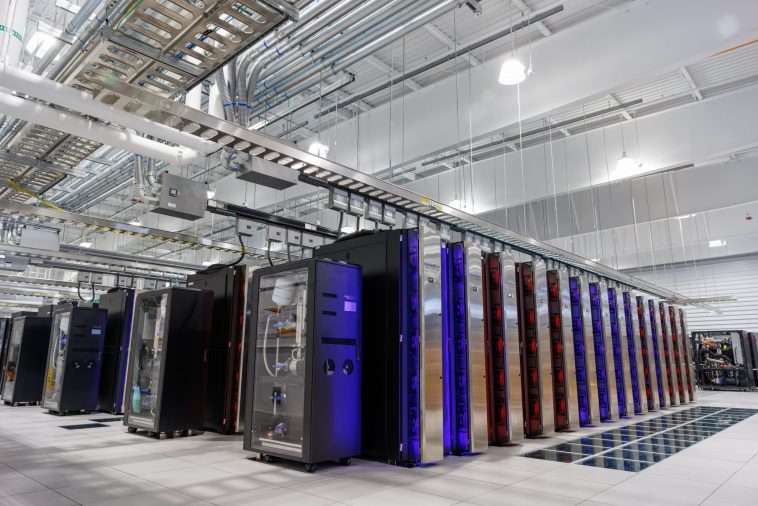
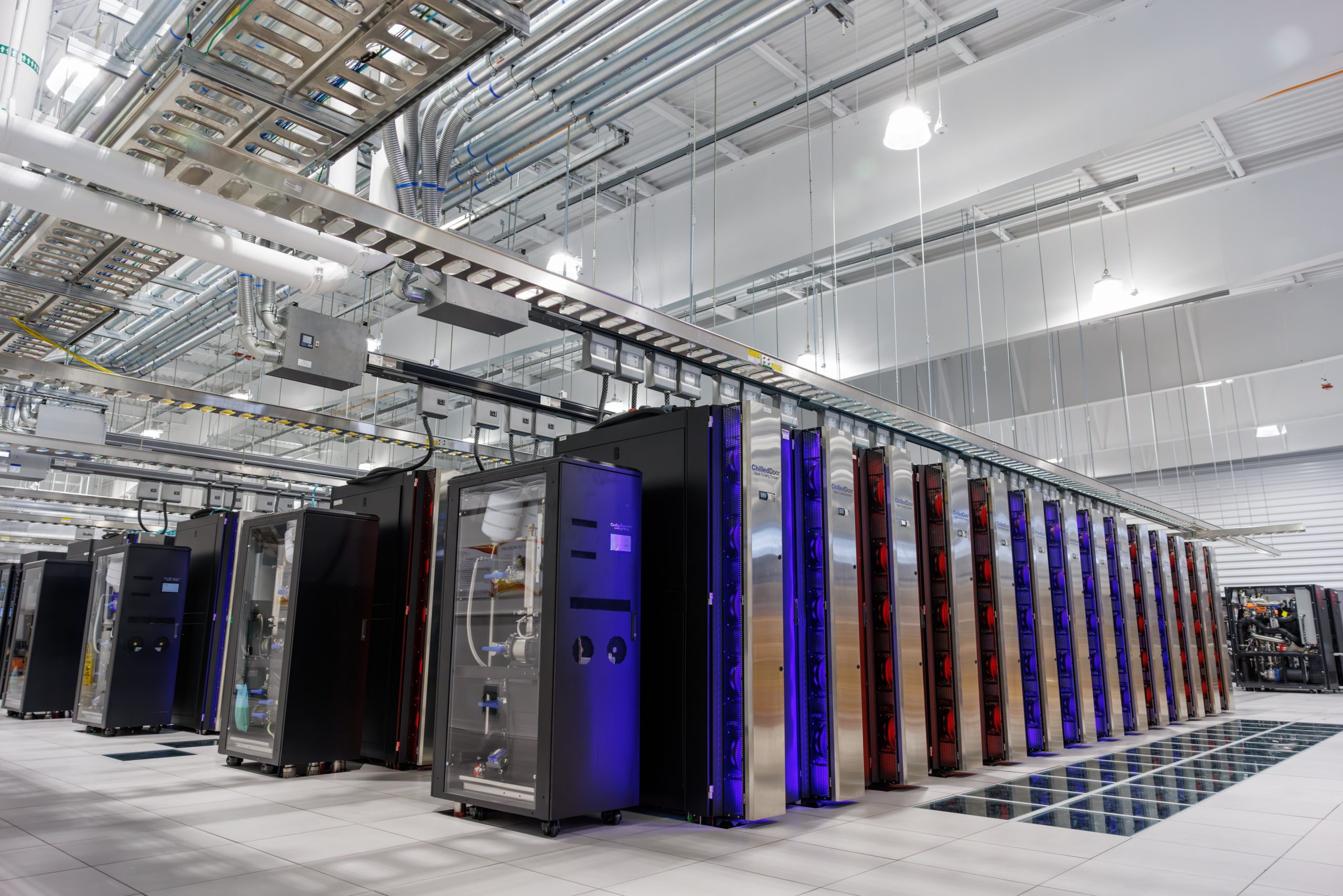
The move toward hyperscale data centers represents a dramatic shift from traditional “retail” or co-location facilities that have long dotted Michigan’s landscape. Unlike their smaller counterparts, hyperscale centers are built to meet the rigorous demands of modern artificial intelligence and machine learning applications. They occupy enormous physical footprints and are notably power-hungry.
Major technology companies, including Meta, Google, Amazon, Oracle, and Microsoft, are spearheading the establishment of these giant facilities. By doing so, they aim to support artificial intelligence research and the booming tech ecosystem. However, their entry into Michigan’s market also comes with its share of challenges.
- Energy Consumption: Hyperscale data centers use significant amounts of electricity, placing considerable demands on local grids. Ensuring that infrastructure can handle these energy needs is a tricky part that requires careful long-term planning.
- Environmental Concerns: The massive footprints of these facilities can transform the local environment. Even if discreetly hidden among industrial landscapes, there are concerns about resource usage and waste management.
- Job Creation Versus Operational Employment: While the construction phase might demand a large workforce (~1,500 workers), operational centers usually require far fewer employees (sometimes as few as 50), raising questions about long-term community benefits.
These subtleties highlight that while data centers bring essential technological capability to an area, they may also introduce overwhelming challenges if the regulatory framework and community engagement are not managed carefully.
Economic Benefits Versus Local Impacts: A Double-Edged Sword
The promise of substantial economic investment and increased tax revenue makes the data center industry extremely attractive. Economic development groups, such as Ann Arbor SPARK, advocate that these projects can inject much-needed capital into local areas and act as catalysts for ancillary business development. The potential for boosting local tax revenues is seen as a key component in funding schools, transportation, public safety, and other community priorities.
Yet, there are several nerve-racking challenges that must be addressed. Unlike traditional manufacturing industries that create a broad range of job opportunities, data centers are often criticized for their limited direct employment impact once operational. Many data centers, particularly the hyperscale ones, promise high-wage jobs during construction, but may only maintain a small operational workforce. As a result, while the tax benefits and infrastructural investments are significant, the community may not see the same level of employment growth.
Communities must therefore weigh the economic benefits in terms of tax revenue and local investments against the possibility that these developments might not add enough ongoing employment opportunities to justify the disruptions they bring. The debate is full of subtle details and small distinctions that are essential in understanding the overall impact on local economies.
A table below summarizes some of the key pros and cons from an economic perspective:
| Economic Benefits | Community Concerns |
|---|---|
| Substantial tax revenue for local governments | Limited long-term employment opportunities |
| Attraction of additional investments and ancillary businesses | Potential environmental impact and increased energy demands |
| Boost to local infrastructure investment | Pressure on local transit and utility networks |
| Modernization of economic development strategies | Community resistance to rapid change and urbanization |
Such a side-by-side look makes it clear that while data centers are a must-have for advancing technology, their community impact needs balanced and thoughtful planning to avoid future pitfalls.
Local Governance and Regulation: Striking the Right Balance
It is not enough for Michigan to simply offer tax breaks and incentives if the regulatory side of development lags behind. Some local communities, including Howell Township and Jerome Township in Ohio, have already taken steps to place temporary pauses on data center development. These pauses are intended to provide officials time to sort out tricky regulations and manage their way through community planning challenges before committing to large-scale projects.
Policy makers must address several key issues:
- Infrastructure Readiness: Determining whether local transit, power grids, and water systems can support a hyperscale facility is critical. Officials need to get into the nitty-gritty details of upgrading infrastructure without neglecting community needs.
- Environmental Impact Assessments: Before large data center facilities are green-lighted, thorough studies must be conducted to assess and mitigate environmental impacts. This step is essential to ensure these developments are sustainable in the long run.
- Community Engagement: Perhaps the most critical aspect is ensuring local voices are heard. Robust public consultation processes can help figure a path that honors both economic growth and community harmony.
Each of these regulatory challenges is loaded with issues, and meeting them requires both innovative policy making and careful collaboration between state officials, local governments, and the private sector. The subtle parts of these policy decisions are critical as they often carry long-term implications for how regions embrace technological advances while preserving the local way of life.
Energy, Cooling, and Efficiency: The Twists and Turns of Operating Data Centers
Beyond policy discussions, an important part of the data center conversation centers on operational issues such as energy efficiency and environmental sustainability. Hyperscale data centers, with their expansive operations, have unique energy demands that raise both logistical and environmental concerns.
Frequently discussed aspects include:
- Cooling Requirements: The enormous computing equipment generates a great deal of heat. Balancing state-of-the-art cooling systems with environmentally friendly practices is a nerve-racking challenge, one that requires innovation in both design and implementation.
- Energy Consumption Management: With the escalating energy needs of modern data centers, identifying ways to reduce consumption and integrate renewable energy sources is key. Efficiency improvements can turn overwhelming power demands into manageable costs.
- Grid Reliability: Ensuring that local electrical grids remain robust under increased load is essential for both the data centers and the communities they serve. This includes investment in grid upgrades and backup power systems.
These operational factors are intertwined with policy decisions. While the promise of data center investment is high, the state must manage its way through the fine points of energy distribution and cooling technology to minimize the potential environmental footprint.
Working Through Community Concerns and Industry Expectations
Community response to data center development is mixed. On one end of the spectrum, local leaders see these projects as critical investments that drive modern economic growth and integrate Michigan into a global technology network. On the other end, many residents are cautious and feel that these developments might erode the very character of their communities.
Community concerns typically center around a few key issues:
- Preservation of Local Character: Transforming rural farmland into industrial data centers poses a risk to the longstanding rural aesthetic and quiet life of small communities.
- Transparency of the Decision-Making Process: Residents want a clear view into how decisions are made and feel that sweeping developments should not be forced through without ample public debate.
- Long-Term Impact Versus Short-Term Gains: While tax revenues and economic incentives are important, they must be weighed against the potential long-lasting changes in community dynamics and environmental quality.
Municipalities such as Saline Township experience this tension deeply. As local officials weigh the benefits of additional economic investments against the community’s apprehensions, the balancing act remains nerve-racking. Many community members have voiced that while the promises of enhanced infrastructure and increased revenue are attractive, there is significant concern regarding whether such drastic transformations may ultimately undermine the quality of life they currently enjoy.
Effective public consultation processes are essential. Local governments must find creative ways to steer through community feedback, address concerns head-on, and work with developers to outline clear, sustainable plans for integration. The balancing of economic objectives with local interests is critical as it ensures that the benefits of large-scale data center projects are shared by everyone involved.
Long-Term Policy Considerations: Setting the Stage for Sustainable Development
Looking ahead, Michigan’s relationship with data center development will likely evolve as the state continues to shape its regulatory framework. As historical lessons from Illinois and Ohio show, there is a need to take a closer look at both short-term gains and long-term implications.
Key policy considerations include:
- Developing Comprehensive Regulatory Guidelines: Legislators need to craft policies that establish clear standards for energy consumption, environmental protection, and infrastructure upgrades. It is critical that these guidelines are adaptable to the rapid technological shifts and evolving needs of hyperscale data centers.
- Ensuring Public Involvement: A robust public consultation process that incorporates feedback from local communities, experts, and industry representatives is essential. This creates a balanced framework that aligns economic growth with social responsibility.
- Encouraging Research and Innovation: Investment in innovative technologies for cooling, renewable energy, and energy efficiency can help ease some of the more intimidating aspects of hyperscale data center operations. State-backed research initiatives and public-private partnerships can play a key role in this regard.
- Preparing for Future Expansion: As data-driven technology continues to evolve, Michigan and other states must plan ahead for further expansion. This includes designing infrastructural roadmaps that can quickly adapt to increased data center demands while mitigating environmental and community impacts.
These long-term policy strategies are not without their twists and turns but are key to ensuring that Michigan remains competitive in the digital economy. While there is no one-size-fits-all solution, a commitment to thorough, thoughtful planning will help mitigate many of the overwhelming challenges associated with rapid data center growth.
Balancing Act: Economic Drive and Community Preservation
The evolving dynamics in Michigan illustrate a classic balancing act between economic drive and community preservation. On the one hand, the potential economic benefits—including billions in investment, modernized infrastructure, and increased tax revenues—are too significant to ignore. On the other, community concerns ranging from limited long-term employment to environmental degradation present complicated pieces that demand attention.
Local government officials, much like pilots finding their path through turbulent skies, must work through these challenges by engaging both industry experts and the local population. This coordinated approach is essential in ensuring that the benefits of data center development are harnessed in a way that is both sustainable and respectful of community identity.
An effective strategy could involve:
- Staged Developments: Implementing phased development strategies that allow communities to gradually adapt while infrastructure upgrades progress.
- Inclusive Decision-Making: Creating advisory committees that include local residents, industry representatives, and environmental specialists ensures that decisions are balanced and well-informed.
- Monitoring and Adjusting Policies: Establishing mechanisms to review the impacts of data center projects and adjust regulations as needed will help keep the growth on track without overwhelming local resources.
Embracing such multifaceted approaches means that Michigan can leverage data center investments to create a vibrant, technology-friendly economy while also safeguarding the nuances of local life that define its communities.
Conclusion: Charting a Course Through Tricky Parts and Tangled Issues
Michigan’s journey toward becoming a prominent player in the data center industry is a story of both immense opportunity and a set of overwhelming challenges. As state lawmakers, community leaders, and industry giants come together to shape the future of this vital infrastructure, it is essential that every decision takes into account the subtle details and fine shades of community impact, environmental sustainability, and economic practicality.
The state’s decision to offer tax exemptions marks the beginning of what could be a transformative era. Yet, it also presents a maze of tricky parts—ranging from regulatory oversight and environmental assessments to community engagement and long-term workforce planning—that need careful handling.
By learning from the experiences of neighboring states such as Illinois and Ohio, Michigan has the opportunity to catch up in the data center race while still preserving its distinct local character. The challenge is to figure a path that integrates cutting-edge technological growth with the everyday needs and values of local communities. It is a balancing act that requires working through the fine points of regulation, energy management, and economic incentives, all while staying connected to the hearts and minds of the people who call Michigan home.
As the digital age continues to surge forward, the choices made today will have lasting impacts on Michigan’s economic landscape and quality of life. The state, its local governments, and community members must collaborate to ensure that the promising influx of hyperscale infrastructures becomes a catalyst for inclusive growth, robust local development, and sustainable practices that serve both industry and community needs.
Ultimately, Michigan stands at a crossroads. With some viewing data center developments as a pathway to a modern, tech-driven economy and others fearing the loss of time-honored community values, the discussion remains open and full of subtle points. It is imperative that policymakers and industry leaders take into account these complicated pieces, manage their way through community concerns, and implement smart policies that provide both economic benefits and preserve the communities they are meant to serve.
This is not merely a question of keeping up with the rest of the Great Lakes region—it is about charting a thoughtful, balanced course that positions Michigan to thrive in the digital age while honoring the traditions and needs of its residents. Only time will reveal if Michigan can successfully find its way through these tangled issues and emerge as a key player in the evolving world of data center technology.
Originally Post From https://www.governing.com/infrastructure/great-lakes-data-center-boom-leaves-michigan-playing-catch-up
Read more about this topic at
Gretchen Whitmer urges speed, critics want slowdown on …
Michiganders urge regulators not to rush approval for data …