Government Funding and Coastal Water Safety: A Summer Commitment
The recent announcement of $9.75 million in government grants to coastal and Great Lakes communities has sparked a wave of discussion among travel enthusiasts, beach lovers, and local economies alike. As someone who spends many weekends at the water’s edge, I find this public investment both reassuring and inspiring. It represents more than just financial support—it symbolizes a commitment to safe, enjoyable, and sustainable outdoor recreation for all Americans.
This funding, granted by the U.S. Environmental Protection Agency (EPA) under the Beaches Environmental Assessment and Coastal Health (BEACH) Act, is part of a broader strategy to make our nation’s beaches safer and more resilient. While government announcements can sometimes be drowned in bureaucratic verbiage, a closer look reveals an essential effort to keep families safe and ensure that our beloved recreation spots remain pristine for future generations.
Supporting Coastal Communities: A Closer Look at the Funding
The grant funding is being distributed among states, Tribes, and territories with coastal or Great Lakes recreational waters. By helping these entities monitor water quality and issue timely advisories, the government is aiming to reduce those nerve-racking moments when swimmers wonder if the water might be unsafe. The initiative offers peace of mind to beachgoers and supports local economies by ensuring that visitors continue to flock to these areas with confidence.
The funding is allocated based on several factors including the length of the beach season, the number of miles of shoreline, the population of coastal counties, and the ability of recipients to implement water quality monitoring programs effectively. For those of us dreaming of a perfect summer getaway, this investment ensures that our coastal adventures remain as safe as they are fun.
Enhancing Recreational Water Safety: Key Aspects of the BEACH Act
The BEACH Act is central to this initiative. It requires eligible communities to have robust water quality standards and established procedures that help monitor and report on the safety of coastal waters. While these procedures may appear to involve some tricky parts and tangled issues at first glance, they are designed to address the complicated pieces of ensuring that our natural resources remain secure and reliable.
For travel enthusiasts planning a beach trip, knowing that a trusted government body is overseeing these standards—complete with numerical criteria and performance requirements—provides an extra layer of comfort. This is not just about regulatory compliance, but about creating a safe environment where families, adventurers, and even those looking for a leisurely swim can enjoy the water without hesitation.
State-Level Initiatives: A Regional Breakdown
The allocation of funds varies widely across regions, which sparks interesting discussions on regional priorities and differences. Each region’s grant is tailored to address the local needs, ensuring that every coastal area receives the appropriate level of attention. This thoughtful, region-specific approach allows for a deeper look into the subtle details that define our coastline’s safety standards.
EPA Region 1: New England’s Watery Retreats
For areas in Connecticut, Maine, Massachusetts, New Hampshire, and Rhode Island, the investment ranges from $191,000 to $254,000 per state. These states harbor some of the most scenic coastlines in the nation, and the grant money will help shore up programs that monitor water quality. By keeping a watchful eye on bacteria levels and other indicators of water safety, officials ensure that visitors can enjoy everything from a relaxed paddle in the Atlantic to a brisk morning swim.
This regional support not only protects local health but also bolsters the robust tourism industries in these states. With every grant awarded, there is a distinct hope that local beaches will continue to draw in families and tourists seeking a perfect blend of cultural charm and natural beauty.
EPA Region 2 and Beyond: Balancing Urban and Island Needs
Regions such as EPA Region 2, which includes states like New Jersey, New York, Puerto Rico, and the U.S. Virgin Islands, witness grants ranging from approximately $258,000 to $319,000. Here, the challenge is twofold: managing the crowded urban beach scenes near major cities and ensuring island communities, which may have fewer resources, receive proper funding.
The situation in these regions illustrates the inherent twists and turns involved in managing coastal areas. By investing in water safety monitoring, the government is arming these areas with the tools needed to quickly respond to any water quality issues that might arise, thereby minimizing potential health risks for a diverse population of both residents and tourists.
Travel Safety and Environmental Health: A Symbiotic Relationship
Travel safety isn’t only about road conditions, flight protocols, or accommodation standards—it extends to the natural recreational environments that so many Americans cherish. Clean, safe water has an essential role in this scenario. The beach is not merely a vacation spot; it’s a critical component of our country’s outdoor lifestyle and recreational infrastructure.
When water quality monitoring systems work effectively, risk is reduced, and the entire region benefits. This funding has significant implications for public health, environmental conservation, and local economies. The initiative is a clear demonstration of how public safety measures can positively influence tourism, sparking a virtuous cycle where safer waters translate to more visitors and, in turn, a stronger local economy.
A Deep Dive Into the Challenges and Achievements
The roll-out of these grants is not without its tricky parts. There are many layers of administrative work and countless papers to sort through before the money is fully disbursed. However, these nerve-racking steps are essential to ensure that the funds are used effectively and transparently. The process involves meeting 11 performance criteria, which, while intimidating at first glance, ultimately help streamline operations and guarantee that every dollar is spent with the public’s best interest at heart.
Taking a closer look at this system allows us to see the small distinctions between various regions’ strategies. In every case, the goals remain aligned: to safeguard the well-being of swimmers and protect popular beaches from contaminants that could pose serious health risks.
Enhancing Public Trust Through Transparency and Collaboration
One of the most reassuring aspects of this initiative is the transparency that comes with it. The EPA has been clear about the allocation of funds, listing the amounts and specific areas that will benefit. This openness not only builds public trust but also encourages local communities to get involved. Local residents, community leaders, and environmental activists can track the progress of these grants and ensure that their coastal environments receive the quality oversight they deserve.
This level of transparency is crucial, especially when facing the unpredictable nature of coastal environmental issues. By having a predetermined plan that clearly outlines the spending and expected outcomes, communities are better positioned to find their way through any challenges that might occur during the monitoring process.
Navigating the Hidden Complexities of Beach Water Monitoring
Understanding the water quality of our beloved beaches involves sifting through several complicated pieces. From addressing bacteria levels to evaluating chemical pollutants, the process is a mix of science, policy, and on-the-ground logistics. While the fine points of water quality standards might seem intimidating, they are ultimately in place to protect public health and make sure that swimmers—and by extension, tourists—enjoy safe and clean recreational spaces.
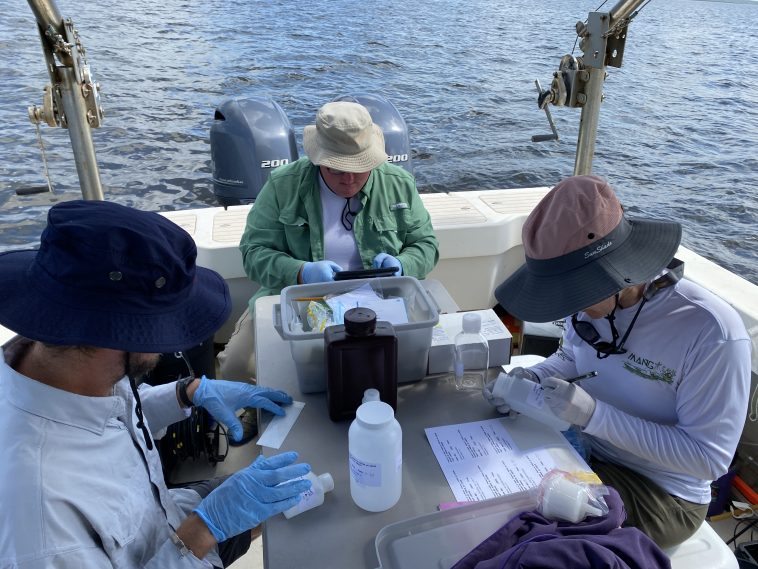
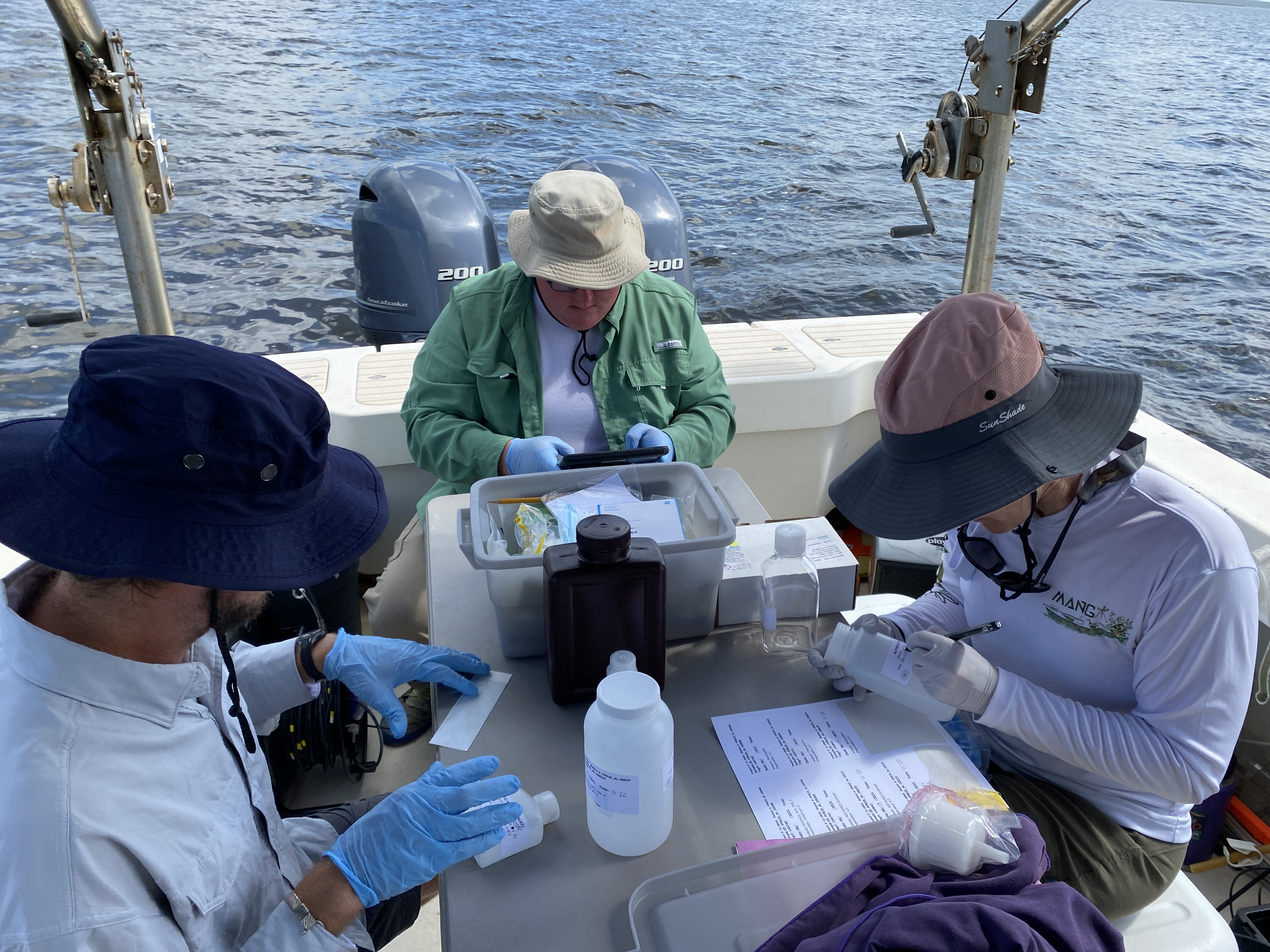
The process of consistently monitoring water quality at various beaches is full of issues that require both scientific precision and practical, adaptive strategies. It involves setting up monitoring stations, training personnel, and establishing clear communication methods to swiftly notify the public if conditions become unsafe. Each of these requirements relies on cooperation between local agencies and the federal government, showing that effective beach safety management is a team effort.
Understanding the Performance Criteria
The success of these programs largely depends on meeting the 11 performance criteria set by the BEACH Act. These criteria help ensure that every corner of a community’s coastal environment is regularly checked and that reliable, science-based methods are used to assess water quality. Although these conditions might seem like yet another layer of red tape, they are in place to address the hidden complexities of maintaining safe beaches.
- Regular water sampling at designated points
- Timely public notification of any water safety issues
- Continuous updating of water quality data
- Use of standardized methods across states
- Clear communication channels between agencies and the public
- Integration of innovative monitoring technologies
- Training and capacity building for local staff
- Periodic review and quality control checks
- Community engagement and feedback processes
- Adherence to regulatory guidelines established by the EPA
- Effective management of grant funds for sustainable long-term outcomes
Each of these bullets is a small twist in a larger, well-coordinated strategy designed to cover every possible risk factor. By breaking down these components, we can better appreciate the enormous effort that goes into simply making sure that a day at the beach remains a delightful experience, free from the worry of hidden pollution.
The Role of Technology in Modern Water Quality Monitoring
New technologies are reshaping how communities get into the nitty-gritty of water quality monitoring. Modern automated sensors, real-time data analytics, and mobile alert systems are making it easier than ever for local agencies to figure a path through the complicated pieces of managing coastal water safety. The integration of state-of-the-art technology minimizes the delays between testing and public notification, a vital element in a fast-changing environment.
This technological advancement is a beacon of hope in an era where environmental challenges are on the rise. For travelers, it means that plans for a spontaneous beach visit are less likely to be marred by unexpected health warnings. For local communities, it translates to a better allocation of resources and a continuous learning curve as they get around the challenges posed by climate change and urban expansion.
Real-Time Data and Public Engagement
A key advantage of using real-time water quality data is the speed with which local authorities can issue public advisories. This ensures that every beachgoer is informed almost immediately if bacterial levels or other pollutants exceed safe thresholds. The ability to rapidly communicate potential hazards enables communities to avoid nerve-racking delays in initiating public health responses. Such systems can be especially critical during the peak of summer, when beaches are crowded and the risk of exposure to harmful pathogens is at its highest.
As an outdoor enthusiast and travel advocate, I see these technological enhancements as crucial tools. They represent a merging of modern innovation with classic public service—a combination that promises to revolutionize the way we think about environmental safety at coastal destinations.
Balancing Economic Growth and Environmental Health
Beyond the immediate benefits to public health, there is a larger picture at play here. Coastal areas around the world are major economic engines, driven largely by tourism. The influx of vacationers, sports enthusiasts, and local beach pals adds up to a vibrant, thriving economy. When these areas are safe and well-managed, they offer a win-win situation: public safety is enhanced while local businesses flourish.
This government funding not only ensures the continued health of natural resources but it also keeps the economic engine running. A safe beach means more visitors, higher spending at local restaurants, more bookings at nearby hotels, and a growing reputation that can attract even more tourists from around the country—and indeed, the world.
Local Economic Benefits
The injection of funds into state and local water quality programs supports a host of jobs and community initiatives. For example, local agencies often need to hire additional staff, upgrade laboratory equipment, and invest in educational campaigns that help residents better understand the factors that affect water quality. Many beach communities rely on the reputation of their pristine waters to maintain a steady stream of visitors, and without periodic investments like this, they might find that their economic foundation becomes unstable.
Moreover, the ripple effects extend well beyond the immediate beach environment. When communities are able to secure funding for environmental safety, they often see a broader investment in recreational facilities, public parks, and infrastructure improvements that make the area more attractive overall.
Observations on the Grant Distribution Process
Looking at the distribution of funds across various states and territories reveals some interesting patterns. The variety in grant size reflects the diverse needs and challenges each region faces. The Florida allocation, for example, stands as the largest among many, which is understandable given its extensive coastline and the heavy tourism traffic that comes with it. Similarly, areas such as Guam, Hawaii, and Puerto Rico receive significant funds to ensure that smaller islands and territories can maintain high water safety standards despite geographical and resource challenges.
This tailored approach illustrates that the government is not applying a one-size-fits-all solution—it’s carefully considering each region’s unique set of challenges and opportunities. For those of us who enjoy exploring various coastal destinations, this individualized attention means that whether I’m visiting a bustling urban waterfront or a secluded beach, there’s an ongoing effort to keep these waters safe.
How This Initiative Impacts Travel Plans
For the avid traveler, this funding initiative may not have made headline news in the travel magazines, but its impacts are substantial. Planning a trip today involves more than just booking a flight and packing a bag—it also means having confidence in the safety and cleanliness of the destination’s natural environments. With the guarantee of regular water quality monitoring, families can dive in with a peace of mind that is often hard to come by in public recreational spaces.
Additionally, many travelers now look for destinations that place an emphasis on environmental sustainability. Knowing that a location is backed by federal investment in clean water technology adds an extra layer of attraction. It speaks to a broader commitment to preserving nature while simultaneously promoting public health, which is increasingly becoming a must-have quality for conscientious tourists.
Pre-Trip Considerations
Before setting off on a beach vacation, it is essential to check local advisories. Although funds are being allocated to improve monitoring, conditions can still change quickly. Many state, Tribal, or territorial programs maintain updated websites where visitors can quickly get the latest water quality data. This habit of checking before you go reinforces the idea that a safe trip involves being well-informed about local conditions and being ready to adjust plans if necessary.
Features such as mobile alerts let travelers keep an eye on local advisories even after reaching their destination. As a travel advocate, I encourage everyone to make a habit of taking a closer look at these resources. After all, a safe, fun, and uninhibited beach day is worth the extra effort of staying updated.
Environmental Stewardship and Long-Term Sustainability
While the immediate focus is ensuring public safety during the summer season, these efforts are also paving the way for long-term environmental stewardship. It is a gentle but firm reminder of our collective responsibility to care for our natural resources. Through comprehensive monitoring programs and clear regulatory guidelines, the government is encouraging local communities to adopt practices that are not only effective today but sustainable for the future.
Investment in water quality is an investment in our natural heritage. The steps taken to maintain clean beaches help preserve delicate ecosystems, protect local flora and fauna, and ensure that future generations can enjoy similar outdoor experiences. Caring for our coastal regions today is key to preserving the breathtaking, unspoiled beauty that has long been a hallmark of American travel destinations.
The Role of Community Involvement
One of the most commendable aspects of this program is that it encourages active community participation. When residents are well-informed and actively involved in local environmental programs, the overall efficacy of water quality monitoring increases dramatically. Local volunteer efforts, combined with government-funded programs, create a united front against water pollution. This combined approach not only enhances the effectiveness of monitoring systems but also fosters a sense of shared responsibility—a must-have quality for vibrant, resilient communities.
Community workshops, local advisory boards, and public feedback sessions are all collaborative efforts aimed at ensuring transparent use of funds and the continuous improvement of coastal safety standards. Such initiatives help to build trust between local authorities and residents, proving that when everyone pitches in, the outcome benefits the entire community.
Lessons Learned and Future Directions
The allocation of these grants provides several lessons for future coastal and Great Lakes management. One key takeaway is that proactive measures to monitor and notify the public about water safety are more effective than reactive measures after an incident occurs. The emphasis on performance criteria ensures that each recipient develops a detailed, actionable plan for addressing water quality concerns before they escalate into larger problems.
Moreover, this initiative demonstrates a forward-thinking approach by integrating modern technologies and community-based strategies. In courses addressing public health and environmental safety, these measures serve as an example of how comprehensive planning combined with smart funding can mitigate risks. As coastal areas face increasing pressures—from climate change to urban sprawl—the strategies employed by these programs will be critical in overcoming the nerve-racking challenges ahead.
Innovations to Watch
Looking ahead, innovations such as improved real-time monitoring networks, integration of drone-based water sampling, and advanced data analytics are on the horizon. These technological advances, combined with persistent community engagement, are anticipated to revolutionize how we keep track of environmental changes. Each new development not only helps manage today’s problems but also prepares coastal communities to face future changes with resilience and agility.
An optimistic outlook is warranted when reflecting on these initiatives. The tools being put in place, if maintained and continually updated, will ensure that our natural treasures remain safe havens for both residents and visitors for years to come.
Preparing for a Future of Safer and Cleaner Beaches
As we move into what many hope will be brighter, more sustainable times for coastal communities, it’s important to carry the lessons learned from this funding initiative into the future. The efforts to monitor, manage, and maintain water quality set a benchmark for environmental governance that is both comprehensive and adaptable. For travelers, this means that destinations once thought to be vulnerable might now offer an even better experience with added layers of safety and reliability.
Traveling to a beach that benefits from such a strategic investment is like stepping into a space where public health and environmental quality stand as unwavering priorities. With these new safety measures consistently applied, the tension of worrying about potential contamination can be replaced by the reassurance of knowing that responsible, well-funded systems are in place to protect you.
For the Love of the Beach: Personal Reflections
I have always viewed the beach not merely as a recreational spot, but as a symbol of freedom, escape, and the soothing power of nature. With the advent of these government-funded water monitoring programs, that symbol is further enriched. Each time I walk along a sandy shore or dip my toes into the surf, I am reminded of the collective effort that goes into keeping these environments safe. The combination of technology, community involvement, and steadfast governmental oversight creates a truly formidable shield against environmental risks.
For those planning your next coastal adventure, take heart in knowing that the very places you love are receiving special attention. Each update from your local water safety program is not just a technical report—it is a promise that your safety is being prioritized and that the beauty of our natural landscapes will continue to be preserved for all to enjoy.
Regional Success Stories and Future Potential
Throughout the various regions—from the rugged coastlines of Alaska to the sun-drenched beaches of Florida—there are numerous success stories that reflect the impact of these grants. In regions where water quality monitoring was once a tangled maze of complicated pieces, local agencies now report fewer public health scares and, importantly, a greater influx of satisfied beachgoers. These positive outcomes highlight how systematic oversight can help communities not only survive but thrive in the face of environmental challenges.
Looking to the future, there is a visible sense of hope and determination among local officials and environmental advocates alike. The strategic allocation of funds has already helped streamline processes and reduce the delays that once made it nerve-racking to manage unexpected water quality issues. As technology and best practices continue to evolve, these improvements will likely become the new standard for coastal management across the country.
Regional Funding at a Glance
| Region/State/Territory | Grant Amount (Approx.) |
|---|---|
| Connecticut (Region 1) | $209,000 |
| Maine (Region 1) | $254,000 |
| Massachusetts (Region 1) | $254,000 |
| New Hampshire (Region 1) | $191,000 |
| Rhode Island (Region 1) | $210,000 |
| New Jersey (Region 2) | $258,000 |
| New York (Region 2) | $315,000 |
| Puerto Rico (Region 2) | $319,000 |
| U.S. Virgin Islands (Region 2) | $302,000 |
| Florida (Region 4) | $478,000 |
| California (Region 9) | $477,000 |
| Other Regions | Various amounts ensuring local needs are met |
Each line in this table represents a region’s tailored approach to tackling its unique set of challenges. The regional strategy not only speaks to the diversity of coastal environments—from bustling metropolitan shores to remote island communities—but also shows the broad commitment to ensuring that every American, no matter where they are, can enjoy safe and healthy waters.
Final Thoughts: A Reinvigorated Commitment to Outdoor Recreation
The $9.75 million in EPA grants is not just an investment in coastal water safety—it is a reaffirmation of the bond between environmental stewardship and recreational freedom. Whether you’re a local resident, a yearly beach visitor, or a global traveler, safe waters mean more than just a pleasant swim; they represent a safeguarded way of life where the outdoors thrives and communities flourish.
This initiative stands as a powerful reminder that government actions, when executed with transparency and community involvement, can have transformative effects. It empowers local agencies and communities to get into the nitty-gritty of water safety and swiftly act on any changes, ensuring that our natural resources remain a joyful part of our shared American heritage.
What Does This Mean for the Future of Travel?
Looking forward, the steps taken today will likely set the tone for how coastal destinations around the world manage environmental and recreational challenges tomorrow. Enhanced water quality monitoring is a crucial piece of the puzzle in maintaining not only the allure of our natural landscapes, but also the health and vitality of the local economies that thrive on tourism. For the travel community, this means more resilient destinations that can adapt to changing environmental conditions while maintaining safety and allure.
It also means that savvy travelers should keep an eye on local websites and advisories before planning a visit. Checking updates and understanding what measures have been put into place can enhance your travel experience by ensuring that you spend less time worrying about safety and more time enjoying the sun, surf, and sand.
The Road Ahead
The funding announcement and subsequent implementation serve as a benchmark for future government programs aimed at environmental protection and public health within recreational areas. Just as each verified update on water safety reassures us that our cherished beaches are safe, the overall progress made through such government investments inspires confidence in our shared outdoor spaces. These efforts encourage other sectors within public infrastructure to follow suit, taking the wheel and finding effective paths toward enhanced public well-being.
Furthermore, as coastal zones become increasingly recognized for their economic and ecological importance, expect to see more robust collaborations between local governments, environmental experts, and technological innovators. Such cooperation is pivotal as we work through the subtle details and slight differences across various regions. Ultimately, it is this unity that will define the future success of safeguarding our coastal treasures.
Conclusion: Embracing a Safe, Enjoyable Summer for Everyone
In conclusion, the proactive steps taken under this program not only articulate a clear vision for cleaner, safer coastal and Great Lakes beaches but also set a high standard for government engagement in public welfare. The infusion of $9.75 million in grants is a testament to a commitment that goes beyond regulatory obligations—it represents a shared promise to protect our environment, enrich our travel experiences, and strengthen our communities.
For outdoor enthusiasts and travel aficionados, this means that a summer escapade by the water is more than just a leisure activity. It is a well-supported opportunity to experience nature at its best—with the added benefit of knowing that robust measures are in place to safeguard your health and enjoyment.
From New England’s quaint coastal towns to the vibrant shores of Florida, the message is clear: safe beaches create happy vacations, and happy vacations enrich our national tapestry of outdoor adventure. Therefore, while planning your next coastal retreat, take a moment to appreciate the dedicated efforts that keep these cherished natural hubs welcoming and secure.
Let this be a call to action for all travelers: check local water quality updates before your trip, engage with community initiatives, and relish the knowledge that government and technology are working hand in hand to ensure that every drop of water you enjoy is as safe as it is refreshing. With continued transparency, community involvement, and technological innovation, we can all look forward to many more summers filled with adventure, relaxation, and peace of mind at our nation’s beautiful beaches.
Originally Post From https://www.epa.gov/newsreleases/epa-provides-975-million-states-monitor-water-quality-beaches-and-protect-swimmers
Read more about this topic at
Beaches
Beach Water Quality